Short Article Created By-Ebbesen Johannsen
When it comes to vision improvement, choosing in between SMILE and LASIK can really feel overwhelming. You could prefer SMILE's minimally invasive strategy or LASIK's instant results. What variables should you evaluate to determine which procedure straightens ideal with your demands?
Understanding SMILE: Procedure and Perks
SMILE, or Tiny Cut Lenticule Removal, is a cutting-edge eye treatment made to correct vision problems like nearsightedness and astigmatism.
Throughout the procedure, the doctor makes use of a femtosecond laser to develop a thin lenticule within the cornea. This lenticule is then gotten rid of with a tiny incision, improving the cornea to enhance your vision.
Unlike typical methods, SMILE includes marginal invasiveness, which suggests less disturbance to the surrounding tissue. Numerous individuals experience quicker recovery times and minimized pain later.
Plus, you won't require to bother with the flap that's usually created in LASIK. With SMILE, you can appreciate more clear vision while gaining from a procedure that emphasizes accuracy and safety and security.
Checking Out LASIK: Treatment and Advantages
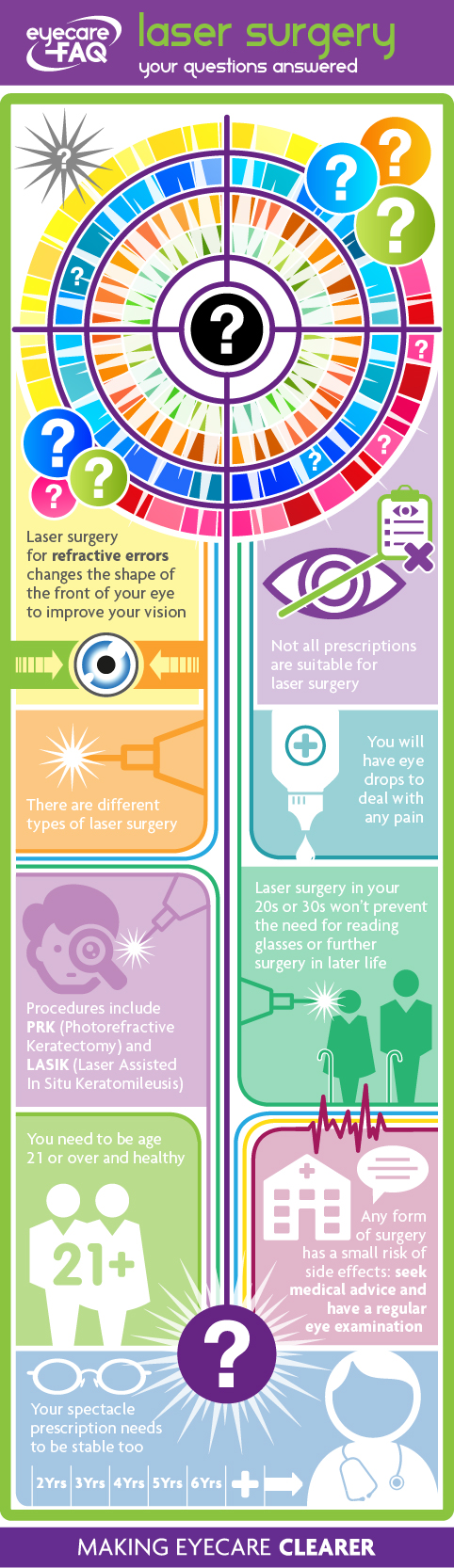
LASIK, or Laser-Assisted Sitting Keratomileusis, is a preferred eye surgical procedure that transforms how people see. This treatment improves your cornea making use of a laser, fixing refractive errors like nearsightedness and farsightedness.
You'll begin by obtaining numbing decrease in your eyes, ensuring convenience throughout the surgical procedure. A slim flap is created in the cornea, enabling the laser to precisely reshape the underlying cells.
Among the primary advantages of LASIK is its fast healing time; many clients discover improved vision almost promptly. Additionally, LASIK supplies a high success price, supplying resilient results for the majority of people.
With very little pain and a reasonably brief procedure time, LASIK can dramatically improve your lifestyle by minimizing your reliance on glasses or contact lenses.
Contrasting Recovery Times and Outcomes
When considering eye surgery alternatives, it's necessary to consider recuperation times and results between treatments.
With LASIK, a lot of clients see boosted vision within a day, usually returning to normal tasks the following day. Some may experience short-term discomfort, like dryness or glare.
On the other hand, SMILE usually uses a quicker recuperation, with numerous individuals experiencing stable vision within a few days. You may locate the treatment more comfortable because of its minimally intrusive nature, resulting in less post-operative pain.
In terms of long-lasting results, both procedures flaunt high success rates, however private results can vary.
Eventually, your choice should reflect your way of living, comfort with recovery, and certain vision needs. Consult your eye care expert for individualized advice.
Final thought
In picking in between SMILE and LASIK, it truly comes down to your unique demands and preferences. If you're after immediate outcomes and a proven track document, LASIK can be your ideal wager.
Knowing https://www.wcnc.com/article/entertainment/television/charlotte-today/improve-vision-refractive-eye-surgery/275-f319e200-0ad7-4216-a911-251ea8380597 between SMILE and LASIK can lead you in choosing the finest vision improvement procedure for your demands. SMILE vs. LASIK: Which Treatment Is Better for You? When it comes to vision improvement, choosing between SMILE and LASIK can really feel overwhelming. You might like SMILE's minimally intrusive strategy or LASIK's prompt outcomes. In picking between SMILE and LASIK, it truly comes down to your unique requirements and preferences.